Mostrar mensagens com a etiqueta Man and birds. o homem e as aves. Mostrar todas as mensagens

1 de abril de 2008

Black Bird


Black Bird by the Beatles has always been one of my favorite songs, I love the message behind it, and I think it fits Sirius quiet well.

19 de março de 2008

Seja criativo


Um desafio em forma de concurso.
Participar e contribuia neste projecto.

Consiste em desenhar um logotipo original para o futuro clube de canários de canto.
As regras são as seguintes:
o logotipo deve ser simples em desenho e cores, pois vai ser exposto desde bandeiras a pins.
o desenho deve ser objectivo, ou seja, deve-se perceber claramente que se trata de um canário de canto.
o logotipo deve incluir as cores da bandeira portuguesa.
deve incluir as siglas da associação que são: A P C T E- Associação Portuguesa do Canário Timbrado Espanhol.
As propostas devem ser enviadas para o mail até dia 28 de Março de 2008.
Descubra qual é o prémio

25 de fevereiro de 2008

Egipto: Descoberta sepultura de arqueiro mumificado


Uma equipa de investigadores anunciou a descoberta, no Egipto, de uma sepultura milenar intacta de um arqueiro contendo a inscrição «Iqer, o Notável» e o seu corpo mumificado.
O anúncio foi feito segunda-feira pelo Conselho Superior de Investigações Científicas espanhol, segundo o qual a descoberta foi efectuada no âmbito da sétima campanha do Projecto Djehuty, que investiga as sepulturas de Djehuty y de Hery, na margem Oeste do Luxor, e na necrópole Dra Abu el-Naga.
O túmulo, que foi encontrado sob dois grandes arcos e três bastões largos, tem inscrito o nome do defunto em hieróglifos, a cores e estilo «naïf», e no seu interior ostenta uma vasilha em cerâmica e cinco flechas cravadas na terra que conservam, na maioria delas, as penas.
Djehuty y Hery foram dois altos dignitários de Hatshepsut, uma das poucas mulheres da história do Antigo Egipto que desempenharam funções como faraó, cerca 1.500 anos A.C., segundo um comunicado do Conselho Superior de Investigações Científicas.
A descoberta arqueológica foi considerada «única e supreendente», já que muito poucas vezes os arqueólogos têm a sorte de encontrar uma sepultura tão antiga, da din.. descoberta arqueológica foi considerada «única e supreendente», já que muito poucas vezes os arqueólogos têm a sorte de encontrar uma sepultura tão antiga, da dinastia XI, intacta.
Túmulos semelhantes a este, normalmente, ficaram sem objectos de valor retirados pelas famílias dos mortos ou foram danificados por ladrões profissionais do século XIX.
De acordo com os investigadores, o arqueiro Iqer, enterrado com os seus arcos e flechas, reflecte uma sociedade complexa, guerreira, sofisticada, culta e religiosa.
A dinastia XI corresponde a um período da história do Egipto ainda pouco conhecido: nele ocorreu uma guerra civil que antecedeu a unificação política do Alto e Baixo Egipto, com um só monarca.
Formado por 15 pessoas, o grupo de investigadores integra egiptólogos, arqueólogos, conservadores, arquitectos, fotógrafos e desenhadores de várias partes do mundo.
Diário Digital / Lusa

4 de fevereiro de 2008

Daniel Carranza


Carnaval do Brasil

O papagaio José Carioca (vulgo Zé Carioca) foi criado para o filme Alô, amigos de 1942 que foi lançado nos EUA em 1943 pela Disney. Antes do lançamento americano foram publicadas tiras de jornais com as aventuras do Zé Carioca, em 1942.
O desenho mostrava a América do Sul, no qual o Zé ciceroneou o Pato Donald em terras brasileiras. O personagem foi criado pela Disney, dizem, para ganhar a simpatia dos brasileiros, já que na época os EUA estavam buscando aliados para a Segunda Guerra Mundial.

3 de fevereiro de 2008


Olivier Messiaen fue un compositor, organista y ornitólogo francés. Ingresó en el Conservatorio de París a la edad de 11 años, y tuvo como profesores a Paul Dukas, Maurice Emmanuel, Charles-Marie Widor y Marcel Dupré. Fue designado organista en la Iglesia de Santísima Trinidad de París en 1931, puesto que ocupó hasta su muerte.
En 1940, en la Batalla de Francia, Messiaen fue hecho prisionero de guerra, y mientras estaba encarcelado compuso su «Quatuor pour la fin du temps» («Cuarteto para el fin de los tiempos») para los cuatro instrumentos disponibles allí: piano, violín, violonchelo y clarinete.

La obra fue estrenada por Messiaen y sus amigos prisioneros ante una audiencia de prisioneros y vigilantes.Al salir de prisión en 1941, pronto Messiaen fue nombrado profesor de armonía, y luego profesor de composición en 1966 en el Conservatorio de París, puesto que mantuvo hasta su retiro en 1978. Entre sus distinguidos alumnos están Pierre Boulez, Yvonne Loriod (quien después sería la segunda esposa de Messiaen, y la intérprete por excelencia de sus obras escritas para piano o con piano solista), Karlheinz Stockhausen, Iannis Xenakis, William Bolcom y George Benjamin.
La música de Messiaen es rítmicamente compleja (él estaba interesado en los ritmos de la antigua Grecia y de orígenes hindúes), y se basa armónica y melódicamente en los modos de transposición limitada, que fueron una innovación propia de Messiaen. Muchas de sus composiciones representan lo que él llamó "los aspectos maravillosos de la fe", mostrando su inquebrantable catolicismo. Viajó mucho y escribió sus obras inspirado por diversas influencias tales como la música japonesa, el paisaje del Cañón de Bryce en Utah o la vida de San Francisco de Asís. Messiaen experimentó una cierta sinestesia manifestada como una percepción de colores cuando oía ciertas armonías. Durante un período muy corto, Messiaen experimentó con el serialismo integral, en cuyo campo es citado a menudo como un innovador. Su estilo absorbió muchas influencias musicales exóticas tales como gamelan de Indonesia (la percusión afinada tiene a menudo un prominente papel en sus obras orquestales), y también usó las ondas Martenot.
Messiaen estaba fascinado por el «canto de los pájaros»; decía que los pájaros eran los mejores músicos y se consideraba a sí mismo tanto ornitólogo como compositor. Transcribía el canto de los pájaros en sus viajes por todo el mundo, e incorporó las transcripciones de estos cantos en gran parte de su música. Su uso innovador del color, su concepción personal de la relación entre el tiempo y la música, su uso del canto de los pájaros, y su intento de expresar profundas ideas religiosas, todo se combina de tal modo que hace casi imposible confundir una composición de Messiaen con una obra de cualquier otro compositor clásico occidental.

1 de fevereiro de 2008

Descoberto primeiro forte colonial espanhol na Patagónia


O primeiro forte da Espanha colonial na Patagónia, presumivelmente do século XVIII, foi descoberto por arqueólogos da Universidade de Buenos Aires ao cabo de dois anos de escavações nos arredores da localidade Puerto Deseado, noticia o jornal El Mundo on line.
Segundo declarações dos investigadores do semanário argentino «El Orden», a fortificação de pedra, a 1.800 quilómetros ao sul de Buenos Aires, foi construída por homens da Real Companhia Marítima de Espanha que navegaram pelo Atlântico austral, explorando os confins das Américas. Naquela zona, situada ao sul do Golfo de São Jorge, já em Março de 1520 fizera incursões Fernando de Magalhães, que com a sua frota entrou na ria para escapar a um temporal.
O navegador chamou ao lugar «Baía dos trabalhos forçados» por causa das dificuldades enfrentadas sob o mau tempo.
Em 1586, em 17 de Dezembro, chegou ao local uma frota comandada pelo corsário inglês Thomas Cavendish, integrada pelas naus «Hugh Gallant», «Content» e «Desiré».
Mais tarde, os navegadores da Real Companhia Marítima de Espanha fixaram-se em terra firme junto da ria e aí construíram o forte. No entanto, após a independência argentina de Espanha em 1810, abandonaram a zona e em 1884 Buenos Aires mandou para a zona um contingente de colonos, sob comando do capitão italiano Antonio Oneto.
Actualmente, Puerto Deseado é uma localidade de 13.000 habitantes, cuja principal atracção turística é a festa nacional da pesca de tubarão.
Diário Digital / Lusa
01-02-2008 15:49:00

30 de janeiro de 2008

Birds of prey + wind energy = collision ahead


Expansion of wind energy farms threaten raptors such as the ferruginous hawk.
This Oregonian story is headed for Monday's front page, but you can read it first on PDXgreen:
By Gail Kinsey Hill/The Oregonian
The rapid expansion of wind energy farms in the Columbia River Gorge's shrub steppes could put hawks, eagles and other raptors on a collision course with fields of giant turbines and their 150-foot blades.
By year's end, more than 1,500 turbines will be churning out electricity in the gorge, a windy corridor at the forefront of a nationwide effort to produce cleaner energy. Until now, most of the projects have gone up in wheat fields -- cultivated land that long ago drove away the rodents that raptors hunt....

26 de janeiro de 2008

Medicinal plants at risk of extinction

Hundreds of plants used to make medicines are facing extinction, botanists warn.

A report by Botanical Gardens Conservation International, which represents botanic gardens from 120 countries, claims that as many as 400 species are at risk from over-collection and deforestation.

Threatened: Drugs made from the hoodia plant could aid weight loss
More than 50 per cent of drugs prescribed by doctors are derived from chemicals first identified in plants.Experts fear that potential cures for diseases such as cancer and HIV may be lost before they can be discovered.
Plants at risk include yew trees, the bark of which is used in the cancer drug paclitaxel; hoodia, which is being used to develop weight-loss treatments; and autumn crocus, a natural treatment for gout which is also being developed to fight leukaemia.
Half of the world's species of magnolias, which contain the chemical honokiol, used in traditional Chinese medicine to treat cancers and heart disease, were also identified as being at risk.
The report expresses concern for the five billion people worldwide who still rely on traditional plant-based medicine rather than the chemical substitutes used by much of the developed world.
The secretary-general of the BGCI, Sara Oldfield, said: "Medicinal plants harvested from the wild remain of immense importance for the wellbeing of millions of people around the world. Over 70,000 plant species are thought to be medicinal."

19 de janeiro de 2008

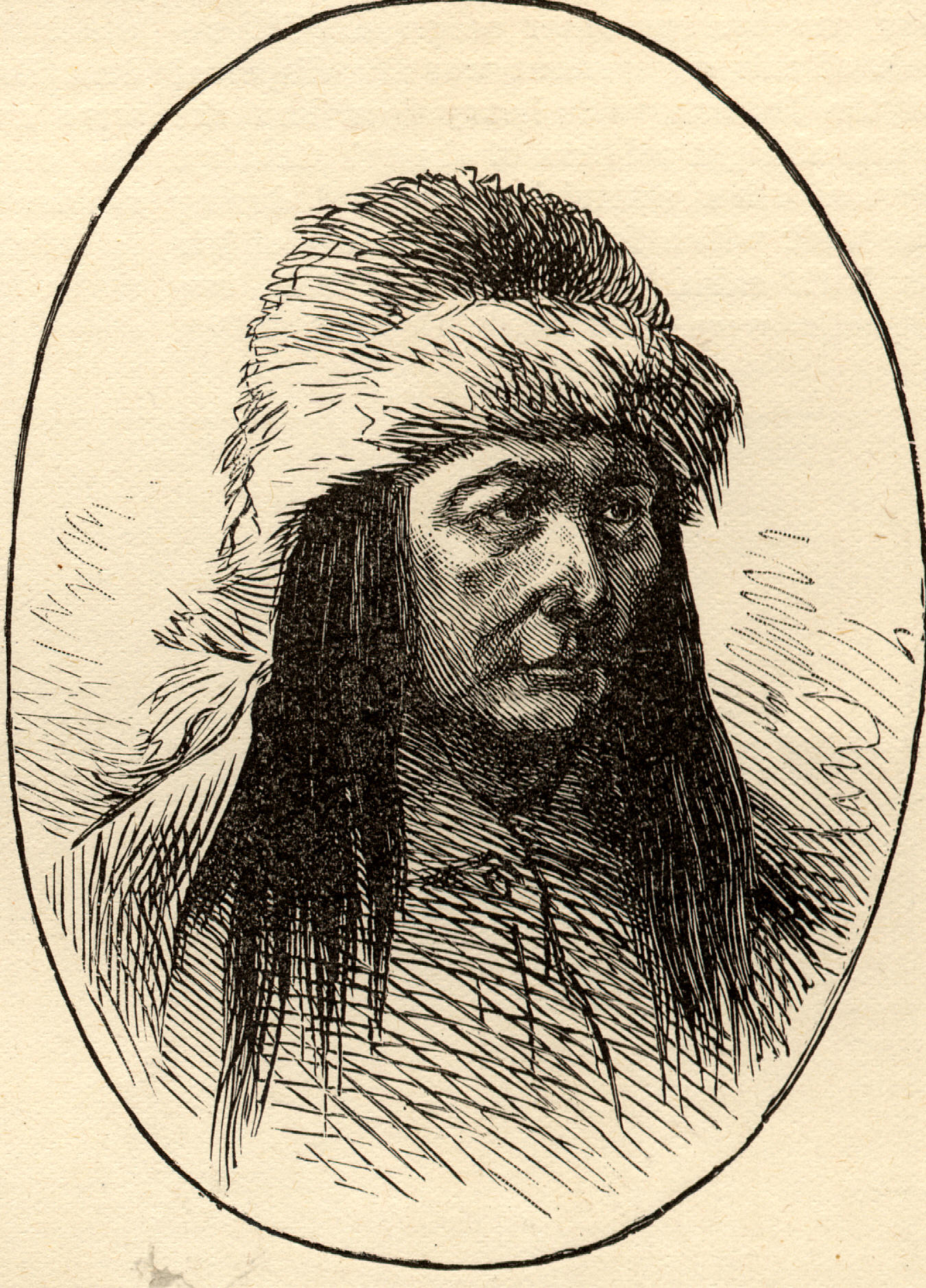
Red Hawk


Sioux, or Dakota, Indians, a large and powerful tribe of Indians, who were found by the French, in 1640, near the headwaters of the Mississippi River. The Algonquiens called them Nadowessioux, whence they came to be called Sioux.
They occupied the vast domain extending from the Arkansas River, in the south, to the western tributary of Lake Winnipeg, in the north, and westward to the eastern slopes of the Rocky Mountains. They have been classed into four grand divisions - namely, the Winnebagoes, who inhabited the country between Lake Michigan as the Mississippi, among the Algonquians; the Assiniboines, or Sioux proper (the most northerly of the nation) ; the Minnetaree group, in Minnesota; and the Southern Sioux, who dwelt in the country between the Arkansas and Platte rivers, and whose hunting-grounds extended to the Rocky Mountains. In 1679 Jean Duluth, a French officer, set up the Gallic standard among them near Lake St. Peter, and next year he rescued from them Father Hennepin, who first
Sioux Chief Sitting Bull
explored the upper Mississippi. The French took formal possession of the country in 1685, when they were divided into seven eastern and nine western tribes. In wars with the French and other Indians, they were pushed down the Mississippi, and, driving off the inhabitants of the buffalo plains, took possession.
Others remained on the shores of the St. Peter. Some of them wandered into the plains of Missouri, and there joined the Southern Sioux.
A Sioux Village
In the War of 1812 the Sioux took sides with the British. In 1822 the population of the two divisions of the tribe was estimated at nearly 13,000. In 1837 they ceded to the United States all their lands east of the Mississippi, and in 1851 they ceded 35,000,000 acres west of the Mississippi for $3,000,000. The neglect of the government to carry out all the provisions of the treaties for these cessions caused much bitter feeling, and a series of hostilities by some of the Sioux ensued; but after being defeated by General Harney, in 1855, a treaty of peace was concluded.
Enraged by the failure of the government to perform its part of the bargain and the frauds practiced upon them, there was a general uprising of the Upper Sioux, in 1862, and nearly 1,000 settlers were killed. The Lower Sioux, of the plains, also became hostile, but all were finally subdued. Fully 1,000 were held captive, and thirty-nine were hanged.
Many bands fled into what was then Dakota Territory, and the strength of the nation was greatly reduced. The most guilty bands fled into the British dominions, while others, from time to time, attacked settlements and menaced forts. Loosely made treaties were violated on both sides. By one of these the Black Hills were made part of a reservation, but gold having been
A Sioux Warrior
discovered there, the United States wished to purchase the tract, and induce the Indians to abandon that region and emigrate to the Indian Territory. They showed great reluctance to treat. Sitting Bull, Spotted Tail, and Red Cloud visited the national capital in 1875, but President Grant could not induce them to sign a treaty. Commissioners met an immense number of them at the Red Cloud agency, in September, but nothing was done. The sending of surveyors under a military escort to the Black Hills excited the jealousy of the Sioux, and they prepared for war. In the spring of 1876 a military force was sent against them, and in June a severe battle was fought, in which General Custer and all of his immediate command were slain. This battle will live in infamy, popularly referred to as "The Battle of Little Big Horn", or "Custer's Last Stand". By whatever name it is called, it will be remembered as one of the most significant victories of the Indian Nations. While in the end their cause was lost, they demonstrated their superb bravery and military skill in defeating Custer and humiliating the US Army.
A Sioux Medicine Chief
Later, after having been severely beaten in several encounters, the Indians returned, under full pardon, to their reservations.
The advancement made by the Christian or progressive portion of the Sioux Indians in the present South Dakota had long been regarded with disfavor by the pagan and conservative element under the leadership of Sitting Bull, Red Cloud, and Kicking Bear, and the latter eagerly waited for some pretext to bring the question of civilization or non-civilization to a decisive issue. In 1890 there was a failure on the part of the government to meet promptly some of its obligations to the Sioux, especially in the payment of annuities and of moneys due to the Indians for certain lands which they had sold. The crops, too, had failed; Congress had cut down the supplies;
and there was naturally a feeling of dissatisfaction among the half famished Indians. Inefficient agents also had been sent out by the government who had little regard for anything save their own personal gain, and not much was done by them to allay the general discontent. All these circumstances combined to favor the designs of Sitting Bull and his associates. A widespread conspiracy was formed, and plans were made for a general uprising in the spring.
In September a Shoshone Indian, a medicine-man, began to predict the coming of an Indian Messiah. The Great Manitou had taken pity upon his suffering children. The Messiah would roll thirty feet of soil, timbered and sodded, upon their white oppressors, and all who escaped being smothered thereby would become buffaloes and catfish. But all the dead Indians would be restored to life; their hunting-grounds would be as in former days; herds of buffaloes and wild horses would again abound upon the prairies; the Indian millennium would be inaugurated. These glowing predictions were eagerly listened to and believed by large numbers of Indians. Late in October they began a series of " ghost dances " in anticipation of the Messiah's coming; and, to show their devotion, the dancing was

Sioux Chief Sitting Bull
continued without intermission for five days and nights. To this hope Sitting Bull gave every encouragement. His adherents arrayed themselves in warpaint, and provided an ample supply of guns and ammunition. They refused to report themselves at the different agencies, and a few of the most desperate began burning and pillaging near Wounded Knee, and afterwards escaped to the Bad Lands.
The Battle of Wounded Knee
On Dec. 15 a body of Indian police, acting under orders from General Miles, attempted to arrest Sitting Bull in his camp, about 40 miles northwest of Fort Yates, N. D. A skirmish ensued, and in it the noted chieftain, together with his son Crowfoot and six other Indians, was killed. The remnant of the band made its way to the Bad Lands. On Dec. 28 a battle occurred near Wounded Knee, S. D., between a cavalry regiment and the men of Big Foot's band. Thirty of the whites were killed, while the Indian dead numbered over 200, including many of their women and children. Over 3,000 Indians then fled from the agency and encamped near White Clay Creek, where, on the next day, another encounter occurred. The result of this engagement was the dispersal of the Indians with heavy loss, and the death of eight soldiers of the 9th Cavalry. Several other skirmishes occurred during the week which followed, with loss of life on both sides. On Jan. 14, 1891, two councils were held with General Miles, and the chiefs, seeing the hopelessness of their cause, agreed to surrender their arms and return to the agency.
Indian War Party
The war was practically ended, and on Jan. 21 the greater part of the troops were withdrawn from the neighborhood of the reservation. On the 29th, a delegation of Sioux chiefs, under charge of Agent Lewis, arrived in Washington for the purpose of conferring with the Secretary of the Interior. The conference began on Feb. 7, and continued four days, at the close of which the Indians were received by President Harrison at the White House. They were assured that the cutting down of the congressional appropriation was an accident, and that the government desired faithfully to carry out every agreement made. On their return home the chiefs stopped for a short time at Carlisle, Pa., where the children of several of them were attending school. In 1899 the total number of Sioux was 27,215, divided into nineteen bands, and located principally in South Dakota.

Jan Kubelik plays "Zephyr" by Hubay